Designing neurodiverse-friendly workplaces where performance thrives
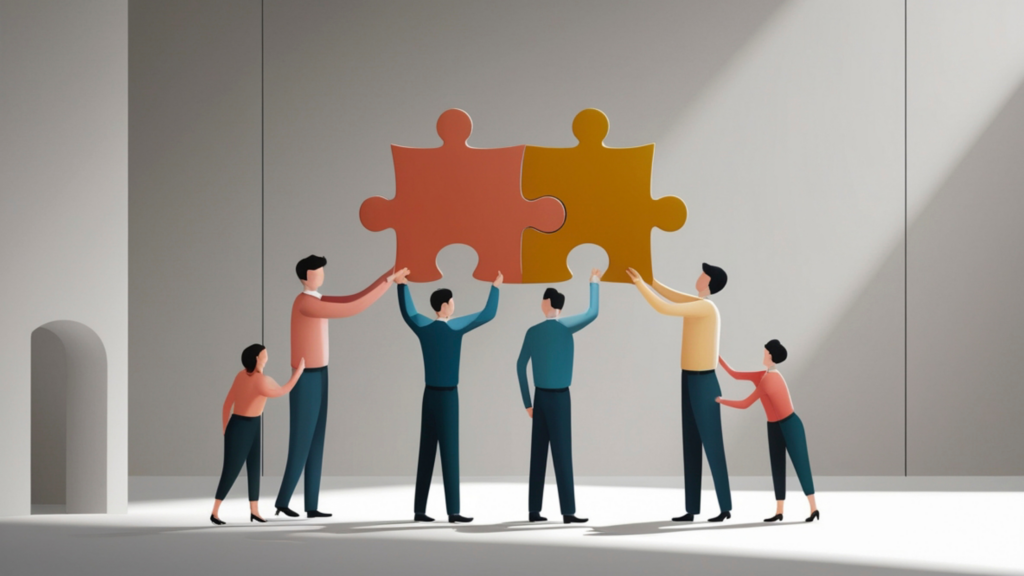
Designing neurodiverse-friendly workplaces where performance thrives · · The best marketing teams we have worked with have one thing in common. Not the same tools, not the same structure, not the same seniority mix — one thing. They are built to include people who think differently. And the teams that are built this way tend to produce work that is sharper, more creative, and more commercially effective than teams that are not. This is not a point about fairness, though the fairness case is real and worth making separately. This is a point about output. Neurodiverse teams — teams that include people with ADHD, autism, dyslexia, and other cognitive differences — solve problems differently. That difference, managed well, is a competitive advantage in an industry that rewards original thinking. What neurodiverse actually means in a marketing context Neurodiversity refers to the natural variation in how human brains work. It covers conditions including ADHD, autism spectrum conditions, dyslexia, dyspraxia, and others. These are not deficits — they are differences in how information is processed, how attention is allocated, and how problems are approached. In a marketing team, this plays out in ways that are often invisible until you look for them. The person who spots a pattern in campaign data that nobody else noticed. The writer who produces flat, uninspired copy in a standard brief format but exceptional work when given a different structure. The strategist who struggles to sit through a two-hour briefing meeting but produces a 40-page strategic document overnight. These are real profiles, and they are common in creative industries. Where most marketing environments fail Standard office and agency environments are designed around neurotypical assumptions: open-plan seating, back-to-back meetings, verbal-first communication, tight deadlines communicated at the last minute, performance assessed through visibility and responsiveness rather than output quality. Each of these features creates friction for people who are neurodiverse in ways that have nothing to do with their ability to do the work. A person with ADHD may produce better analysis in two focused hours than a neurotypical colleague produces in a full day, and still be rated as underperforming because they arrived late to the 9am stand-up. What works instead Asynchronous-first communication Written briefs over verbal briefings. Meeting notes shared in advance. Decisions documented after the meeting, not just discussed in it. This benefits neurodiverse team members and generally improves clarity for everyone else. Flexible environment Not every role needs to be office-based. Not every person concentrates best at a shared desk. Giving people agency over their environment — within reason and within the constraints of a client-facing business — tends to improve output quality more reliably than enforcing presence. Clear, written expectations Ambiguous briefs and shifting priorities are a problem for everyone, but they are a significant problem for people who need clear parameters to work effectively. Investing in better brief quality reduces the volume of rework and clarification meetings across the board. Reviewing output, not behaviour Performance management built around time in office, responsiveness, and meeting attendance measures compliance, not quality. In a creative business, output quality and commercial impact are the right metrics. This shift in how performance is framed changes which people thrive in an organisation. A practical starting point If you manage a marketing team and want to make it more neurodiverse-friendly, the single highest-impact change is usually the simplest: ask your team members how they do their best work, and then take the answers seriously. You may find that accommodations are simpler than you expected and that the return on making them is immediate. Why this matters for marketing specifically Marketing is a field that rewards original thinking, pattern recognition, and the ability to see a brief from multiple angles simultaneously. These are exactly the cognitive strengths that many neurodiverse people have in abundance. The industry has historically lost a lot of that talent to environments that could not accommodate different ways of working. At A.A. Dynamics, we have built our team deliberately to include people with different cognitive profiles. It is not a policy position — it is how we produce better work. The campaigns that have delivered the strongest results for our clients have almost always come from people who were given the space and structure to think without being told exactly how to do it.